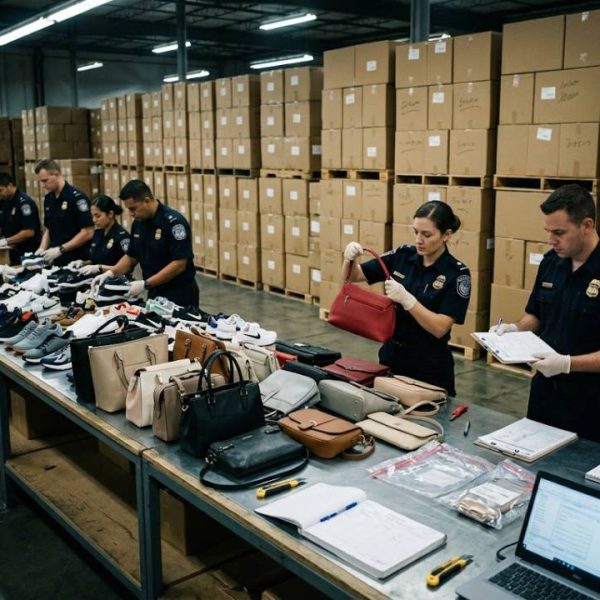
A brand is a promise that customers carry in their heads. When a company enters a new country that promise has to survive a change of language and culture. If the name sounds odd or the claims on the packaging read badly the promise weakens before the first sale. Counterfeiters understand this weakness well. They copy a logo and fill the gap with cheap products and confusing text. Honest companies lose sales and trust at the same time and they often learn about the problem from an angry customer message.
Protection starts with clear and consistent wording. The product name and the slogan and the safety notes should be written the same way in every market. A small difference in spelling between two versions of a label is enough to make a genuine product look suspicious. Customers compare what they see with what they remember. They also compare it with what appears on the official website. Any gap between the two invites doubt and gives imitators room to operate. Even a small inconsistency can be enough for a marketplace to hesitate over a genuine listing.
Reputation online works in a similar way. Reviews and comments in different languages shape how a brand is seen long before a company notices them. A complaint in a language nobody on the team reads can stay unanswered for months. A polite and accurate reply in the same language shows other readers that the company listens. It also reduces the chance that a small issue grows into a public problem that damages sales in several countries at once. Timely replies often turn critics into loyal customers.
Legal protection adds another layer. Trademarks are registered country by country and each registry has its own rules for documents and language. A filing that contains a poor translation of a description can be refused or can protect less than the owner expected. Companies that plan ahead prepare the key documents in advance and check every term with a specialist. This habit costs little compared with the price of defending a brand that was left exposed.
Trust ties everything together. Customers rarely read legal text but they notice when a brand looks careful. Correct spelling and consistent names and clear contact details signal that someone is in charge. That impression makes it harder for copycats to succeed and easier for real products to stand out. A careful brand also finds it simpler to work with distributors and platforms that ask for proof of ownership.
Documents That Defend A Brand
Companies that file papers in the United States often hire a translation company new york when they need contracts and registration documents that follow local expectations. A translator who knows how American offices read these papers can avoid wording that causes delays. Local knowledge also helps with deadlines and formal requirements that are easy to miss for a foreign owner. A clear checklist at the start of each filing keeps the work on track.
Companies also need certified translation services and legal translation services for evidence such as screenshots and invoices and customer messages. Courts and marketplaces want to see the original and a faithful version side by side. Keeping a record of how each document was prepared helps if the case is questioned later. A translator who signs a statement of accuracy adds weight to the file and shows that the work was done with care.
People Names And Slogans
Staff who move abroad to manage a launch may need uscis certified translation services for personal documents that support their visas. Keeping this paperwork in order prevents delays that can stop a launch at the worst moment. It is wise to start early because certified documents often take longer than expected. A trusted partner who already knows the company also saves time on every new request. It also keeps terminology identical across contracts and filings.
Brand name translation and trademark translation deserve special attention at the planning stage. A name that is perfect in one language may carry an unwanted meaning in another. Checking it with native speakers before registration is far cheaper than changing it later. The same applies to slogans and product descriptions that appear on packaging. A short review by a local expert often reveals issues that were invisible to the creative team.
Guides And Trusted Sources
When a company acts against a copycat it often works through local agents who need documents in their own language. Teams that understand the value of a clear power of attorney translation know that agents cannot act until the paperwork is accepted. For practical material on trademarks and brand protection the WIPO publishes clear guides for owners.
The EUIPO offers further information on registering and defending marks in Europe. Both sources show that careful preparation is far less costly than a late reaction. Owners who invest early usually spend far less on lawyers later. An error in a name or a date can delay the whole process by weeks. Reviewing the final text with the local agent before signing prevents this kind of setback.
Steps To Protect Your Brand Abroad
Begin by listing the countries where you sell or plan to sell. Check that your brand name and slogan have no hidden meaning in the local language. Write the approved version of each key term in a shared glossary and give it to every writer and translator who works for you.
Next review your official website and packaging in each language and make sure they match. Set up a simple routine to read reviews and comments in each market and answer them in the same language. Keep copies of the documents that prove ownership and have them translated before you need them.
Finally review the situation twice a year. Look for new copycats and update the glossary and refresh the legal documents that are close to expiry. A brand that is watched carefully and described clearly in every language is harder to copy and easier to trust. That steady attention is the cheapest protection a company can buy and it keeps working long after the first launch day.